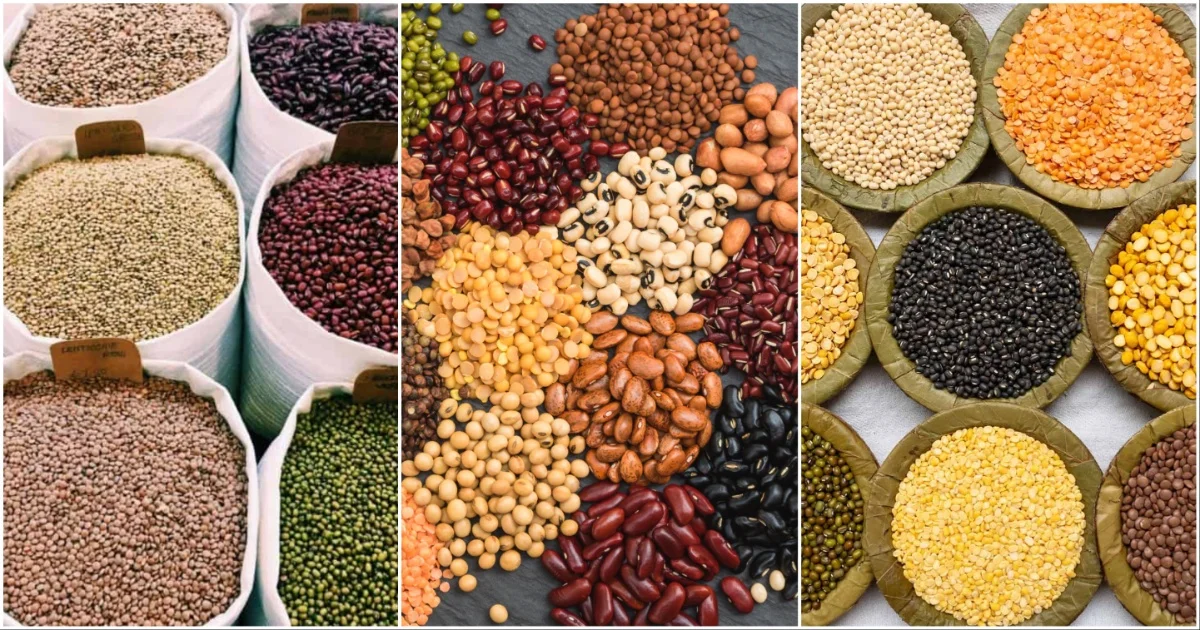
Which Dals Are Low-FODMAP? Per-Dal Safe-Portion Table
Is toor dal low FODMAP? Serving size decides. Per-dal safe-portion table for moong, toor, chana, masoor, urad, rajma and besan, plus NONG hing tips.
If you have IBS or follow a low-FODMAP plan alongside a No-Onion-No-Garlic (NONG) kitchen, the first question is almost always: is toor dal low FODMAP, and what serving size is safe? The honest answer is "it depends on the dal and the portion" — most Indian dals turn from gut-friendly to gut-troubling as the spoonfuls add up. This per-dal table walks through moong, toor/arhar, chana, masoor, urad, rajma and besan, with rough safe-portion guidance and whether soaking, rinsing or canning actually helps.
Is toor dal low FODMAP at a normal serving size?
Toor (arhar) dal is one of the trickier legumes. Like most pulses, it carries galacto-oligosaccharides (GOS) — the fermentable carbs that trigger gas and bloating in sensitive guts. The key idea from Monash-style testing is that FODMAPs are dose-dependent: a small cooked portion can test low-FODMAP while a big katori of the same dal tips into the moderate or high range. So "is toor dal low FODMAP serving size" is genuinely the right way to frame it — the food isn't simply "safe" or "banned", the amount decides.
Practically, a modest serving of well-cooked, well-rinsed toor dal is tolerated by many people, but a hearty double helping is where symptoms often start. Because exact thresholds get re-tested and revised, always confirm the current cut-off in a live low-FODMAP app rather than trusting a fixed gram number you read once. You can log any specific dal against NoNgS's ingredient status database to see how we flag it, then plan portions in the meal planner.
Per-dal low-FODMAP safe-portion table
This table gives conceptual guidance only — cooked portions, since dals roughly triple in weight once boiled. Treat "small" as a few tablespoons and "larger" as a full katori, and verify the exact current threshold in a low-FODMAP app before you rely on it.
Dal | Low-FODMAP status (portion-dependent) | Rough safe-portion guidance | Does soaking / rinsing / canned help? |
|---|---|---|---|
Moong dhuli (split, skinned) | Among the better-tolerated dals in small servings | Small cooked portion usually fine; scale up cautiously | Soaking + thorough rinsing helps; cook soft |
Moong whole (green, with skin) | Higher fibre & GOS than dhuli; stricter on portion | Keep portions smaller than dhuli moong | Long soak, discard soak water, rinse well |
Toor / arhar | Low only at a modest serving; moderate as portion grows | Stick to a small-to-moderate cooked serving | Rinsing + soaking helps leach GOS; canned/tinned tends to test lower |
Chana dal / whole chana | Chana dal (split) tolerated small; whole chickpeas stricter | Small serving of chana dal; keep whole chana minimal | Canned + rinsed chickpeas are the classic low-FODMAP win |
Masoor (red/pink) | Often among the more forgiving in small servings | Small-to-moderate cooked portion for many people | Rinse well; canned lentils rinsed test lower still |
Urad (black gram) | Can be stricter; watch fermented forms (idli/dosa batter) | Keep servings small; go slow on fermented urad dishes | Soaking + rinsing helps; fermentation changes the profile |
Rajma (kidney beans) | Notoriously high unless canned & rinsed | Only small canned-and-rinsed portions | Canned + drained + rinsed is essential; dried is much higher |
Besan (chana/gram flour) | Small amounts commonly tolerated as a binder | A few tablespoons in a recipe, not a besan-heavy meal | No soak step; portion control is the main lever |
Notice the pattern: skinned splits (dhuli moong, masoor, chana dal) tend to be gentler than whole, skin-on beans (rajma, whole chana, whole moong), and canning plus rinsing is repeatedly the single biggest help because water-soluble GOS leaches out. Log the exact product you buy in the ingredient database so you're tracking the real thing, not a category average.
Why soaking, rinsing and canned dals actually help
GOS are water-soluble, so anything that moves them into water you then throw away reduces the load. That's why the low-FODMAP world loves canned, drained and rinsed legumes: much of the fermentable carbohydrate ends up in the discarded liquid. At home, a long soak with the soak water discarded, then a fresh-water cook, mimics this. It never makes a dal zero-FODMAP — it shifts the safe portion upward. For fermented urad dishes like idli and dosa, fermentation alters the carbohydrate profile in its own way, so judge those separately and by portion.
Serving size beats ingredient lists for IBS
For gut symptoms, how much usually matters more than which dal. Two small servings spread across a day can stack into a high-FODMAP total even if each looked "safe" — the effect is cumulative. If you're combining dal with other moderate-FODMAP foods in one meal, tighten every portion. The meal planner is built to spread legumes across the day so you don't accidentally stack them.
The NONG overlap: Hing, tadka and low-FODMAP dal
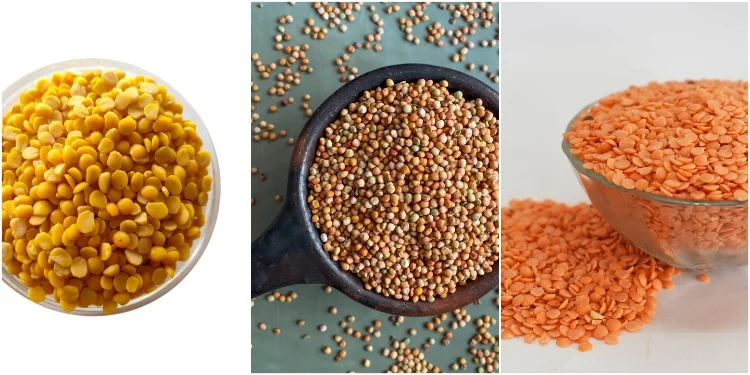
Here's where No-Onion-No-Garlic and low-FODMAP eating quietly agree. Onion and garlic are two of the highest-FODMAP foods and also forbidden in Jain and sattvic kitchens — so a genuine NONG dal is already free of the two biggest IBS triggers. The catch is hing (asafoetida), the classic onion-garlic replacement in the tadka. Pure hing resin is used in tiny amounts and is generally low-FODMAP-friendly, but most retail hing is compounded — cut with wheat flour (and sometimes other starches) as a carrier.
That wheat carrier matters twice over: it's a gluten/wheat concern, and wheat brings its own fructans. For a low-FODMAP and NONG dal, you want a small quantity of a pure or wheat-free hing. We cover exactly how to pick one in which hing brand is pure and wheat-free, and whether hing is even permitted for fasting in is hing allowed in Jain, sattvic, Ekadashi and Navratri food. Never assume a tub's current carrier from memory — formulations change, so check the current label and verify it in the ingredient database.
Building a NONG + low-FODMAP dal that works
Pick a gentler dal (dhuli moong, masoor, chana dal) and keep the cooked portion small.
Soak, discard the soak water, and cook in fresh water — or use canned, drained, rinsed pulses.
Skip onion and garlic entirely (you're NONG anyway) and use a modest amount of wheat-free hing plus ginger, cumin, turmeric and sonth.
Don't stack multiple legume servings in the same meal or day.
Verify each new dal and each new hing on the ingredient database before it becomes a staple.
How this fits the wider NONG picture
Low-FODMAP is one lens; Jain, sattvic and Navratri rules are others, and they don't always line up. A dal that's fine for gut health may still be off-limits during a vrat, and a fasting-safe food may not be low-FODMAP. If you're juggling more than one framework, the full comparison of NONG vs sattvic vs Jain vs Navratri vs low-FODMAP maps where they agree and clash. It also helps to separate the myths — our piece on whether NONG is automatically Jain, vegan or gut-safe clears up the biggest confusions people bring to dals.
Frequently Asked Questions
Is toor dal low FODMAP, and what serving size should I stick to?
Toor dal is low-FODMAP only at a modest cooked serving — roughly a small-to-moderate portion, not a heaped double katori. Rinsing and soaking help, and canned versions tend to test lower. Because thresholds get re-tested, confirm the current safe serving in a live low-FODMAP app and log your specific product in the ingredient database.
Which dals are the safest for a low-FODMAP diet?
Skinned splits like dhuli moong, masoor and chana dal tend to be the most forgiving in small servings, while whole beans such as rajma and whole chana are stricter and best used canned-and-rinsed. Portion size is the deciding factor for all of them — check each one against the table above and verify in the app.
Does soaking and rinsing dal really lower FODMAPs?
Yes, to a degree. GOS, the main culprit, is water-soluble, so soaking with the soak water discarded, cooking in fresh water, or using drained-and-rinsed canned pulses moves a chunk of it out. It doesn't make dal FODMAP-free — it raises the portion you can tolerate.
Is hing low-FODMAP and does it keep my dal NONG?
Pure hing used in a pinch is generally low-FODMAP-friendly and is the go-to onion-garlic replacement in a NONG tadka. The problem is compounded hing cut with wheat flour, which adds wheat fructans and gluten. Choose a wheat-free hing, check the current label, and see our pure, wheat-free hing guide.
Can a dal be NONG and Jain but still not low-FODMAP?
Absolutely. NONG and Jain rules govern which ingredients are allowed (no onion, garlic or root veg), while low-FODMAP governs quantity of fermentable carbs. A perfectly Jain rajma can still be high-FODMAP in a large portion. The full comparison guide shows exactly where these frameworks diverge.