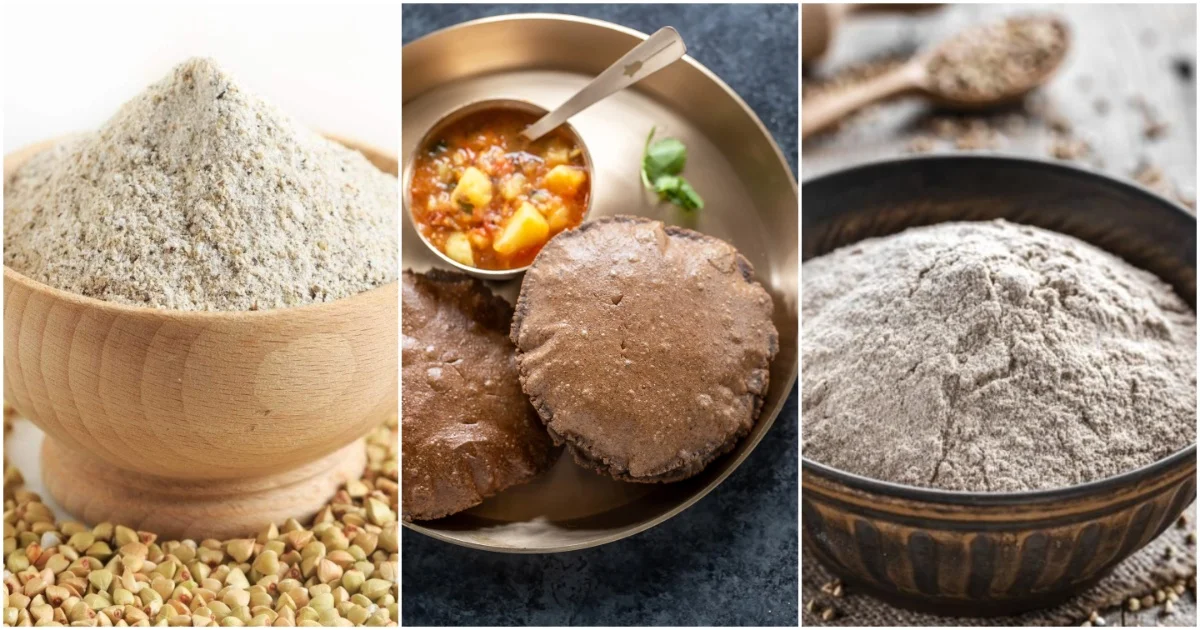
Kuttu Atta for Vrat: How to Spot Unsafe Buckwheat Flour
Learn how to check kuttu atta is safe fresh before Navratri vrat: smell, colour, moisture and expiry tests, whole giri vs pre-ground, plus verified NONG picks.
Every Navratri, kuttu (buckwheat) flour turns up in nearly every falahari kitchen — and, sadly, in recurring reports of fasting-day food poisoning across India. The flour itself is not the villain; stale, damp or adulterated kuttu is. This guide teaches you how to check kuttu atta is safe fresh using your own senses, why pre-ground flour spoils faster than whole giri, and how to store and buy it so your vrat stays both sacred and safe.
How to check kuttu atta is safe fresh before you cook?
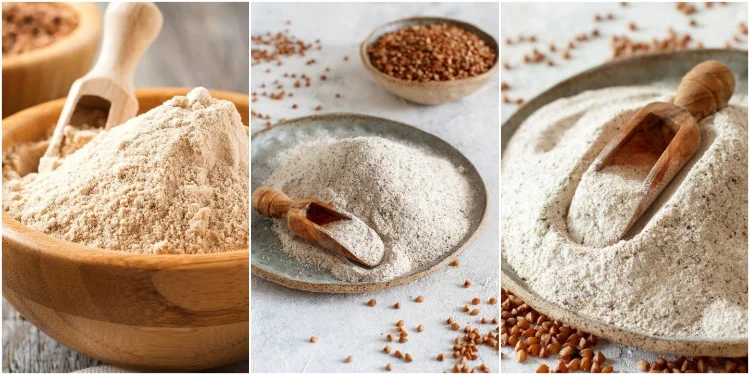
Kuttu is high in oil and low in the preservatives of regular wheat atta, so it goes rancid quickly — especially once ground. During Navratri, demand spikes, shopkeepers restock old open sacks, and moisture from monsoon-tail humidity does the rest. Before a single puri or pakora hits the kadhai, run four quick checks: smell, colour, moisture, and expiry. If any one fails, throw the batch out. No fast is worth a hospital trip.
The smell test (most important)
Fresh kuttu atta smells faintly nutty and earthy. Rancid or fungus-hit flour smells sour, musty, bitter, paint-like or "off" — that sharp cardboard-and-oil note is oxidised fat. If your nose hesitates even slightly, do not taste it to "confirm"; discard it. A mouldy batch can smell almost sweet or fermented. Trust the first sniff.
Colour and texture
Good kuttu atta is greyish-brown with tiny darker specks (the seed hull). Warning signs: greenish or white fuzzy patches (mould), an unnaturally uniform pale colour (possible dilution with cheaper flours), or black clumps. Rub a pinch between your fingers — it should feel dry and powdery, not sticky, pasty or lumpy.
Moisture and expiry
Damp flour clumps, cakes to the bag, or forms hard balls — a green light for fungal toxins. Squeeze a handful: it should crumble, not hold a shape. On packaged flour, read the packed date and best-before, not just the MRP sticker. Buckwheat flour has a short shelf life; a pack ground months ago and sitting warm on a shelf can be unsafe well before its printed date.
How to check kuttu atta is safe: the quick reference table
Keep this table handy while shopping and while cooking. It converts the four sense-checks into clear good-sign versus warning-sign calls.
Check | Good sign (safe, fresh) | Warning sign (discard) |
|---|---|---|
Smell | Faint nutty, earthy aroma | Sour, musty, bitter, paint-like or fermented |
Colour | Even greyish-brown with hull specks | Green/white fuzz, black clumps, oddly pale |
Texture | Dry, loose, powdery | Sticky, pasty, hard lumps or cakes |
Moisture | Crumbles when squeezed | Holds a ball; damp or clumped |
Expiry / packed date | Recently packed, well within best-before | Near or past date; unknown grind date |
Packaging | Sealed, intact, from a fast-moving batch | Loose open sack, torn pack, insect trails |
Whole giri vs pre-ground flour: buy closer to the seed
The single biggest freshness upgrade is buying whole kuttu giri (buckwheat groats/seeds) and grinding small batches at home, rather than pre-ground atta. Whole seeds have far less exposed surface area, so their oils oxidise much more slowly and they resist moisture better. Pre-ground flour is convenient but starts ageing the moment it is milled.
Form | Freshness window | Best for |
|---|---|---|
Whole giri (seeds) | Longest; grind as needed | Households that fast often; bulk buyers |
Sealed packaged atta | Short; check packed date | Occasional fasters wanting convenience |
Loose open-sack atta | Shortest; highest risk | Avoid during peak Navratri rush |
If you must buy flour, prefer sealed packs in small quantity — only what you will use across the fast — over a big discounted sack that lingers. You can browse verified NONG-appropriate options on our products directory instead of gambling on an unlabelled loose bin.
A note on packaged "vrat" and falahari flours
A pack labelled "vrat special" or "falahari" is a marketing claim, not a safety or purity guarantee. Some blended vrat flours historically carry added starches, anti-caking agents, or are cut with other flours; and additives that are fine for daily eating may not suit a strict Jain, sattvic or Ekadashi fast. Always read the current ingredient list rather than trusting the front of the pack. When a label is unclear, decode it — see our guide to whether vrat falahari packaged snacks are actually fasting-safe and paste the ingredients into the checker for a NONG verdict.
Storing kuttu so it stays fresh through the fast
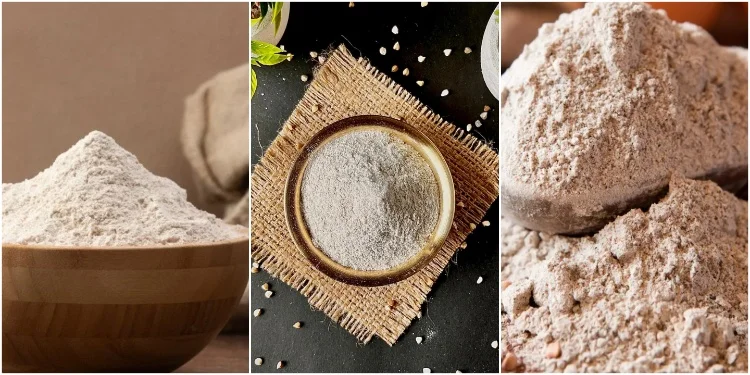
Even perfect flour spoils fast in the wrong jar. Follow these rules:
Airtight, always. Transfer flour to a clean, dry airtight container the moment you get home — buckwheat readily absorbs humidity and odours.
Cool and dark. Keep it away from the stove and sunlight. In hot or humid regions, refrigerating whole giri or flour meaningfully extends freshness.
Small batches. Grind or open only what a day or two needs; don't expose the whole stock to air repeatedly.
Label the date. Write the buy or grind date on the container so you're never guessing mid-fast.
Never mix old and new. Topping fresh flour onto month-old residue contaminates the whole jar.
Buying smart during Navratri
Peak-season demand is exactly when quality slips. Buy early rather than on the busiest fasting day, choose shops with high turnover, and favour sealed, dated packs. Because kuttu is naturally onion- and garlic-free, it's a natural fit for NONG kitchens — but "NONG by nature" doesn't mean every branded blend is clean, so verify. For safe swaps and pairings while cooking your vrat menu, our alternatives tool and the products list help you build a trustworthy falahari thali. For the bigger picture on how vrat, Jain and sattvic rules differ, see the full comparison hub. Pair kuttu correctly with the right pure, wheat-free hing brand so your seasoning stays fast-compliant too.
Frequently Asked Questions
How can I tell if kuttu atta has gone bad?
The fastest tell is smell: fresh kuttu is faintly nutty, while spoiled flour smells sour, musty, bitter or paint-like. Also look for green or white mould, black clumps, damp caking, or a sticky texture. If any of these appear, discard the whole batch — do not sieve or cook around it.
Why does kuttu flour cause food poisoning during Navratri?
Buckwheat is oil-rich and preservative-poor, so it turns rancid and grows fungus quickly, especially in humid weather and open sacks. Navratri demand means old stock moves fast and gets stored badly. Rancid oils and fungal toxins survive frying, so contaminated flour can make people ill even after cooking.
Is whole kuttu giri safer than ready-made flour?
Generally yes. Whole seeds have far less exposed surface, so they oxidise and absorb moisture much more slowly than pre-ground flour. Grinding small batches at home from sealed whole giri gives you the freshest, safest kuttu — pre-ground atta should be bought in small, recently packed quantities.
Are packaged "vrat special" kuttu flours automatically safe and pure?
No. "Vrat" and "falahari" are marketing labels, not certifications. Some blends historically include starches, anti-caking agents or other flours, and formulations change. Always read the current ingredient list, check the packed date, and paste the ingredients into our checker if anything is unclear.
How should I store kuttu atta during the fasting days?
Keep it in a clean, dry, airtight container away from heat and sunlight; refrigerate in hot or humid climates. Open only small amounts at a time, label the container with the buy or grind date, and never mix fresh flour with old residue. Browse verified options on our products directory to start with a fresh, trustworthy pack.