Is It Sattvic or Jain? Status of Foods People Argue About
Is mushroom tamasic, is ginger Jain, is coffee sattvic? An arbitrated status table for the NONG foods people argue about — sattvic vs Jain rulings.
If you eat No-Onion-No-Garlic, sooner or later you hit the grey-zone questions that spark family arguments: is mushroom tamasic, is ginger Jain, is coffee sattvic? The honest answer is that "sattvic" and "Jain" are two different rulebooks, and even within each one, sects disagree. This page arbitrates the most-contested items into one reference table, explains the reasoning, and routes every item to our ingredient status database so you can verify by your own tradition instead of guessing.
Is mushroom tamasic, is ginger Jain, is coffee sattvic — the short answer
There is no single all-India verdict, and anyone who tells you otherwise is flattening a real disagreement. Sattvic thinking (from Ayurveda and yogic diet) sorts food by its effect on the mind — sattvic (calming), rajasic (stimulating), or tamasic (dulling). Jain dietary law works on a completely different axis: ahimsa, the avoidance of harm to living beings, especially the tiny lives in roots, fermentation, and sprouting. So a food can be "Jain-avoided" but "sattvic-neutral," or vice versa. When you ask "is mushroom tamasic, is ginger Jain, is coffee sattvic," you are really asking three questions in two different languages.
Below, "Depends-on-sect" is used honestly — it means practising communities genuinely rule differently, not that we are unsure. For any item, paste the exact food or its ingredients into the NONG checker and cross-check the entry in ingredients.
The arbitrated status table for contested foods
Statuses below are the mainstream reading of each tradition. Treat them as a starting point for a conversation with your own family or guru, not a fatwa.
Food | Sattvic status | Jain status | One-line why |
|---|---|---|---|
Mushroom | Avoided (often read as tamasic) | Avoided | Grows in damp/decay; Jainism treats fungi as teeming with life. |
Coffee / caffeine | Avoided (rajasic stimulant) | Depends-on-sect | Sattvic diet shuns stimulants; Jain concern is timing and ingredients, not caffeine itself. |
Honey | Depends-on-sect (many allow) | Avoided | Ayurveda prizes honey; strict Jainism forbids it as it involves harm to bees. |
Fresh ginger | Allowed (in moderation) | Avoided | A root/rhizome — Jain ahimsa avoids most underground vegetables. |
Dry ginger (sonth) | Allowed (valued as digestive) | Depends-on-sect | Dried/processed root is permitted by many Jains; strict households still avoid. |
Peanut (groundnut) | Allowed | Depends-on-sect | Grows underground, so treated cautiously; widely eaten during vrat, contested in strict Jain diet. |
Tomato | Depends-on-sect (seeds debated) | Depends-on-sect (many-seeded) | Above-ground fruit but seed-dense; some avoid many-seeded foods (bahubeej). |
Brinjal (baingan) | Avoided by many (heaty/many-seeded) | Avoided | Many seeds and small insects in the fruit; avoided on ahimsa grounds. |
Hing (asafoetida) | Allowed | Allowed | The classic onion/garlic replacer; permitted in both — but check the binder. |
Curd (dahi) | Depends-on-sect (fresh yes, sour no) | Depends-on-sect (time-limited) | Fresh curd is fine; fermentation age matters, and Jains restrict overnight/stored curd. |
Why mushroom lands on "avoided" in both columns?
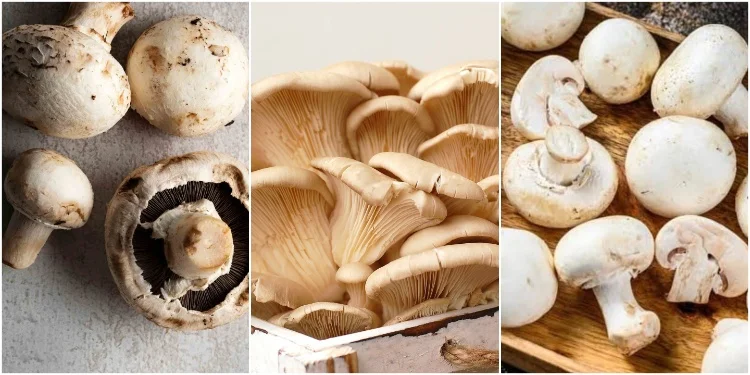
Mushroom is one of the few items where sattvic and Jain reasoning arrive at the same place by different roads. In the sattvic frame, fungi grow in damp, dark, decaying conditions and are commonly classed as tamasic — dulling to the mind. In the Jain frame, fungi (along with other anantkay or infinite-bodied plants) are seen as harbouring countless micro-lives, so they are avoided outright. If you are only NONG and neither Jain nor strictly sattvic, mushroom is technically onion/garlic-free — but it is not "sattvic," and that distinction matters when a recipe is labelled. Confirm any packaged mushroom product in the checker.
Is ginger Jain? Fresh vs dry (sonth) is the whole answer
This is the single most misunderstood item. Fresh ginger is a rhizome — an underground stem — so mainstream Jain practice avoids it along with potato, carrot, beetroot, and other root vegetables, because pulling and eating the root harms the plant and the organisms around it. Dry ginger, or sonth, is a different question: because it is dried and processed, many Jain traditions permit it, and it appears in Jain-friendly spice blends and digestive preparations. Strict households still avoid even sonth. In the sattvic frame, both forms are fine and even recommended in moderation for digestion. See our deeper split on the roots question in NONG myths: Jain, vegetarian, vegan or gut-safe?
Is coffee sattvic? Why stimulants sit outside the sattvic list
No — coffee is generally read as rajasic, not sattvic, because the sattvic diet deliberately avoids stimulants that agitate the mind, and caffeine is the textbook example (tea and cola sit in the same bucket). That is a sattvic ruling about mental effect. Jain law, by contrast, has no blanket problem with caffeine; the Jain questions about coffee are practical — is it consumed after sunset, and does the mix contain anything fermented or animal-derived. So "is coffee sattvic" and "is coffee Jain-permitted" can have opposite answers. For a packaged coffee mix, decode the additives with the label reader before you trust a "veg" stamp.
Honey, peanut, tomato and brinjal: the ahimsa vs energy split
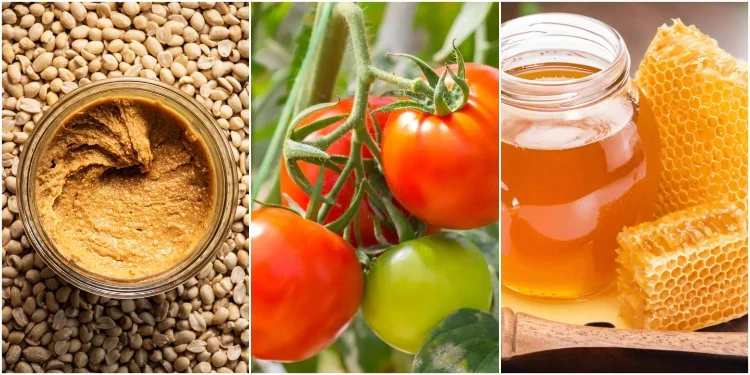
These four show the two rulebooks pulling apart most clearly.
Honey — Ayurveda treats honey as almost medicinal, so it is broadly sattvic-friendly; strict Jainism forbids it because harvesting harms bees and honey is considered to hold micro-life. This is a pure ahimsa call, not an energy call.
Peanut — grows underground, which makes strict Jains cautious, yet it is one of the most common vrat foods for Navratri and Ekadashi fasters and is sattvic-permitted. Sect and occasion decide it.
Tomato and brinjal — both are debated for being bahubeej (many-seeded); brinjal additionally often shelters tiny insects, pushing it firmly into "avoided" for many Jains and for heaty-food-avoiding sattvic eaters.
Because these hinge on your specific community, don't rely on memory — look each one up in /ingredients, which records the range of rulings rather than forcing one.
Hing and curd: allowed, but read the fine print
Hing (asafoetida) is the hero ingredient of NONG cooking and is permitted in both sattvic and Jain kitchens — it is precisely what replaces the aroma of onion and garlic. The catch is the binder: most commercial hing is cut with wheat flour (making it not gluten-free) and occasionally with other fillers, so "pure" is a label claim you must verify. We break the brands down in which hing brand is pure and wheat-free and the fasting angle in is hing allowed in Jain, sattvic, Ekadashi and Navratri food. Curd is similar: fresh curd is welcome, but sour or long-stored curd is discouraged sattvically (it turns tamasic) and restricted in Jain practice on fermentation-time grounds.
How to actually decide for your own plate?
Use this order of operations instead of arguing:
Name your rulebook first — are you asking the sattvic question (mental energy) or the Jain question (ahimsa)? They are not interchangeable.
For a raw ingredient, check its entry in /ingredients, which shows Allowed / Avoided / Depends-on-sect side by side.
For a packaged product, paste the full ingredient list into the checker — a food can pass the "is it NONG" test and still fail your sattvic or Jain rule.
When two family members disagree, it is usually because they are on different sects or different rulebooks — the table above tells you which.
For the birds-eye view of how all five frameworks line up, see the full NONG vs sattvic vs Jain vs Navratri vs low-FODMAP comparison.
Frequently Asked Questions
Is mushroom tamasic or just non-sattvic?
Most sattvic authorities class mushroom as tamasic because fungi grow in damp, decaying conditions and are held to dull the mind. Separately, Jain practice avoids it on ahimsa grounds. So it is both non-sattvic and Jain-avoided, though it can still be technically onion-and-garlic-free. Confirm any mushroom product in the checker.
Is ginger Jain-friendly or not?
Fresh ginger is a root (rhizome), so mainstream Jain practice avoids it. Dry ginger, or sonth, is permitted by many Jain traditions because it is dried and processed, though the strictest households avoid even that. Check your community's ruling in /ingredients.
Is coffee sattvic?
No. Coffee is generally read as rajasic because the sattvic diet avoids stimulants that agitate the mind. It may still be acceptable in a Jain diet depending on timing and ingredients, since Jain law does not object to caffeine itself. That is why the two answers can differ.
Why is honey avoided by Jains but valued in Ayurveda?
It is a clash of rulebooks. Ayurveda treats honey as a prized, near-medicinal food, so it is broadly sattvic-friendly. Strict Jainism forbids it because harvesting harms bees and honey is considered to contain micro-life — a pure ahimsa concern, not an energy one.
Are peanuts and tomatoes allowed on a sattvic or Jain diet?
Both are "depends-on-sect." Peanuts grow underground, so strict Jains are cautious, yet they are a staple vrat food and sattvically fine. Tomatoes are debated as many-seeded (bahubeej). Look up your exact situation in the ingredient database and verify packaged versions with the checker.