Is Hing Allowed in Jain, Sattvic, Ekadashi & Navratri Food?
Is hing allowed in Jain, sattvic, Navratri, Ekadashi food? A per-context verdict table, the hidden wheat-filler catch, and vrat-safe swaps when hing is off.
One of the most confusing questions in a No-Onion-No-Garlic (NONG) kitchen is this: is hing allowed in Jain, sattvic, Navratri, Ekadashi food, or not? The honest answer is that it depends entirely on the context — hing (asafoetida) is the beloved everyday substitute for onion and garlic in sattvic and Jain cooking, yet the very same spice is often banned on Ekadashi and during many Navratri vrat traditions. This guide reconciles that contradiction context by context, flags the hidden wheat-flour problem, and points you to verified onion-garlic swaps when hing is off the table.
Is hing allowed in Jain, sattvic, Navratri, Ekadashi food?
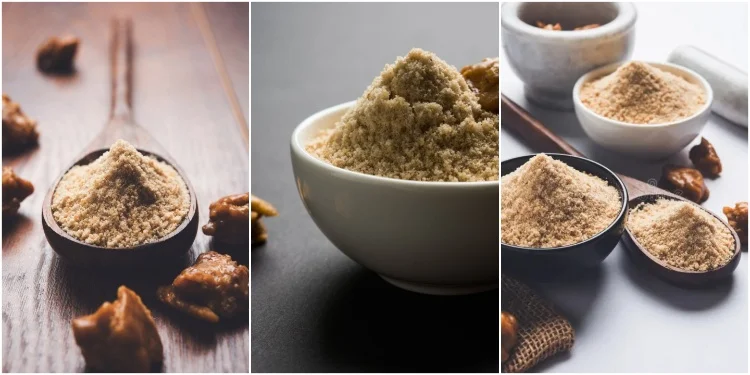
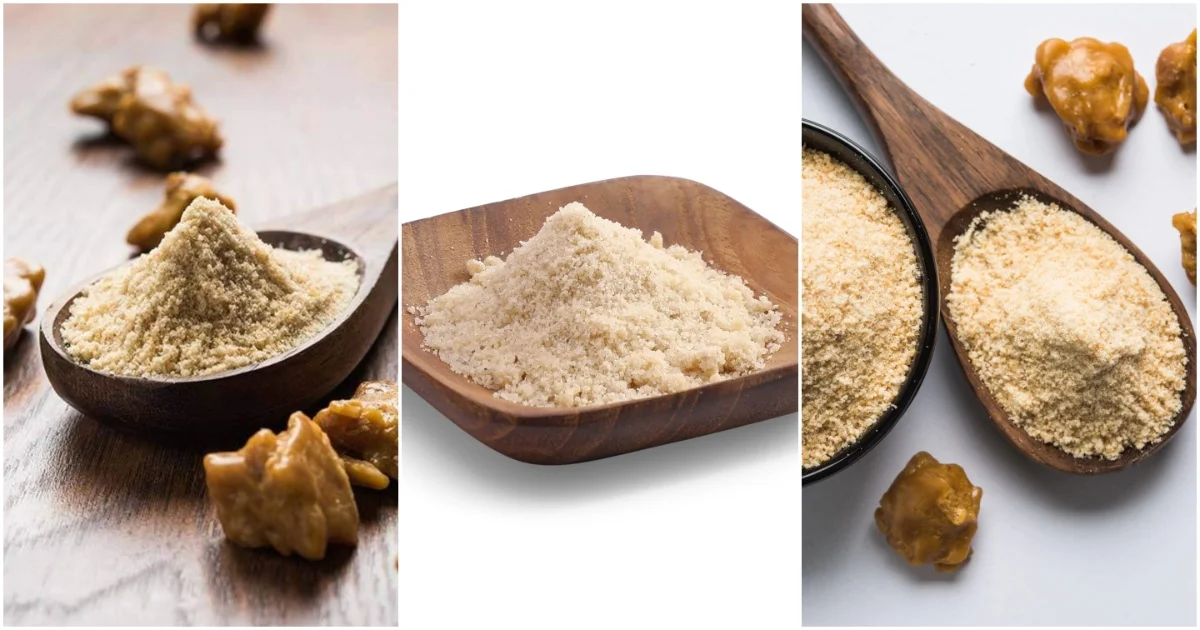
Hing is not one simple yes/no. It sits in a grey zone because pure asafoetida resin is a plant gum, but almost every retail hing sold in India is compounded — cut with wheat flour, rice flour, or other starch and gum to make it pourable. That single fact is what splits the verdicts across traditions. Daily sattvic and Jain cooking generally welcome it as the classic pungency-and-digestion fix; strict fasting days (Ekadashi and many Navratri vrats) frequently avoid it, and where they do allow it, the wheat base can break a grain-free fast.
Context | Hing usually allowed? | Main caveat |
|---|---|---|
Daily sattvic cooking | Usually yes | Prized as an onion/garlic replacer & digestive |
Jain (everyday) | Yes for most | Prefer wheat-free/pure resin; some strict Jains still avoid |
Ekadashi | Often no | Many traditions bar hing outright on this vrat |
Navratri vrat (falahari) | Varies / often no | Wheat-based hing breaks a grain-free fast |
Treat the table as a starting map, not a ruling. Sect, region, and family custom override any general rule — always defer to your own tradition.
Why hing is the hero of daily sattvic and Jain cooking
In a NONG kitchen, hing does the job onion and garlic normally would: it adds a deep savoury pungency and is traditionally believed to aid digestion, which is exactly why it became the anchor spice of sattvic and Jain food. A pinch bloomed in hot ghee gives dals, kadhis, sabzis, and tempering (tadka) the rounded, umami-ish base that onion-garlic cooks rely on. For anyone building a no-onion-no-garlic pantry, it is usually the first spice on the list.
If you are new to cooking without alliums, hing pairs naturally with other NONG boosters. See our onion and garlic substitute guide for the full toolkit — hing, ginger, jeera, and asafoetida-forward blends that rebuild flavour without the roots.
The wheat-flour catch every buyer should know
Here is where the trouble starts. Most branded hing is compounded hing, historically bulked with wheat starch (and sometimes maida). That means a spice that is philosophically NONG can still be off-limits for anyone avoiding gluten or grains. Formulations change constantly, so never assume — check the current label, and if the pack lists wheat, rice, or gum, factor that into your decision. To decode a confusing hing pack, paste the ingredients into our ingredient status database and read what each filler actually means.
Is hing allowed in Jain food specifically?
For the majority of Jain households, everyday hing is fine and is actively used as the onion-garlic stand-in. The nuance is twofold. First, many observant Jains prefer wheat-free or pure-resin hing to sidestep the compounded filler question. Second, a minority of stricter Jains avoid hing altogether, or restrict it on particular days. Because there is genuine variation, the safe move is to buy a clearly labelled pure or wheat-free grade and confirm with your own community's practice.
If you want to compare which retail hings lean pure versus heavily compounded, our pure, wheat-free hing brand guide walks through what to look for on the pack without claiming any fixed formula — because those change.
Why Ekadashi and Navratri vrats often say no to hing?
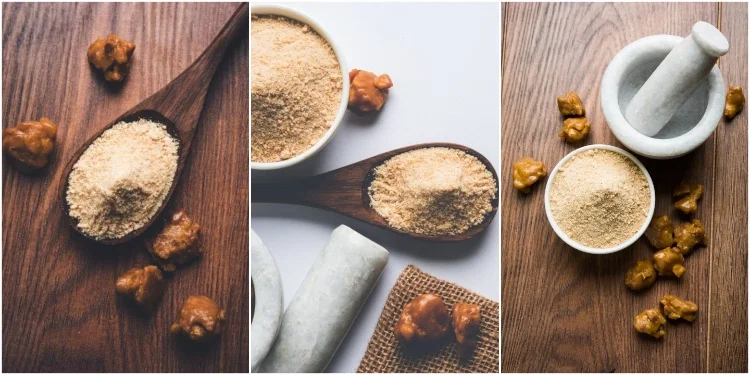
Fasting days follow a different logic from daily cooking. On Ekadashi, many traditions specifically exclude hing along with grains and certain spices, treating the fast as more restrictive than ordinary NONG eating. So even a household that uses hing every other day of the month may set it aside on Ekadashi.
Is hing allowed in Navratri vrat food?
Navratri vrat (falahari) cooking centres on grain-free flours like kuttu (buckwheat) and singhara, sendha namak instead of table salt, and a short list of permitted ingredients. Compounded hing collides with this on two fronts: some traditions simply don't count it as falahari, and — critically — its wheat filler is itself a grain, which breaks a grain-free fast. That is why many families skip hing entirely during vrat, or use only a certified pure-resin, wheat-free grade if their tradition permits it at all.
Building a fasting thali is easier when you know which packaged items are genuinely vrat-safe. Our reads on hing across fasting contexts, spotting unsafe kuttu atta, and whether falahari packaged snacks are actually fasting-safe cover the common traps.
What to use when hing is off the table
If your tradition bars hing on a given day, you do not have to accept flat food. Several vrat-friendly and Jain-friendly flavours can carry a dish:
Sendha namak (rock salt) — the fasting-day salt; deepens flavour where hing would have.
Fresh ginger and green chilli — clean pungency that most vrat traditions allow (confirm yours).
Jeera (cumin) tadka in ghee — an aromatic base that stands in for the hing bloom.
Sonth (dry ginger powder) — warmth and depth for falahari sabzis and chutneys.
Black pepper and lemon — brightness and bite without any allium or grain.
For a fuller, context-tagged list of replacements — including which ones hold up on strict fasting days — go back to the alternatives tool; it lets you filter swaps by the exact tradition you're cooking for.
Verify any pack before you trust it
Whether it is a hing tin, a masala blend, or a falahari snack, the label is the only source of truth — and formulations get reformulated without warning. Cross-check any doubtful ingredient against the ingredient status database before you buy. For the wider picture of how these traditions differ, our full NONG vs sattvic vs Jain vs Navratri vs low-FODMAP comparison lays every ruleset side by side.
Frequently Asked Questions
Is hing considered onion or garlic?
No. Hing (asafoetida) is a plant gum resin, not an allium, which is exactly why sattvic and Jain kitchens adopted it as the flavour substitute for onion and garlic. The complication is not the resin itself but the wheat or starch filler added to most retail hing.
Is hing allowed on Ekadashi?
Often no. Many Ekadashi traditions specifically exclude hing along with grains and certain spices, even in homes that use it daily. Practice varies by sect and family, so follow your own tradition rather than a blanket rule.
Can I use hing during Navratri fasting?
It varies and is frequently avoided. Some traditions don't classify hing as falahari, and compounded hing's wheat filler breaks a grain-free vrat. If your tradition permits it, use only a clearly labelled pure, wheat-free grade — and check the current pack.
Why is my hing not gluten-free?
Because most branded hing is compounded — historically bulked with wheat flour or maida to make it free-flowing. Pure or wheat-free resin grades exist; always read the current label rather than assuming, and verify fillers in the ingredient database.
What can replace hing for a strict fast?
Sendha namak, fresh ginger, green chilli, jeera in ghee, sonth, and black pepper cover most of hing's job on fasting days. Use the alternatives tool to filter swaps by whether they're allowed in your specific vrat.