Are Vrat & Falahari Packaged Snacks Actually Fasting-Safe?
Vrat namkeen onion garlic free, can we eat Lays in Navratri fast? Learn what breaks a fast — salt type, maltodextrin, yeast extract — and verify any pack.
Every Navratri and Ekadashi, the same question floods family chats: vrat namkeen onion garlic free, can we eat Lays in Navratri fast? A pack that says "falahari" or "vrat special" feels safe, but the words on the front are marketing, not a rule-book. The only honest answer comes from reading the ingredient panel line by line — and formulations change, so what passed last year can quietly fail this year. This guide teaches you the check so you never have to guess.
Vrat Namkeen, Onion Garlic Free, Can We Eat Lays in Navratri Fast?
Two different questions are hiding inside that one sentence. "Onion garlic free" is a NONG question — is the product free of onion, garlic and their derivatives? "Fasting-safe for Navratri/Ekadashi" is a stricter, separate question — vrat rules also bar ordinary grains, regular table salt, and most legumes. A plain salted potato chip might be onion-garlic-free yet still break a fast because it uses common salt instead of sendha namak (rock salt), or a grain-derived additive.
So there is no blanket yes or no for any mainstream chip brand. The seasoning changes everything, and even "Classic Salted" variants differ by batch and region. Instead of trusting the front of the pack, paste the ingredient list into the NoNgS scanner and let it flag the exact terms that matter. When you are planning a whole nine days, the festival planner keeps your safe list in one place.
NONG-safe is not the same as fasting-safe
Onion and garlic are banned in vrat food, yes — but so is a lot more. A product can clear the NONG bar and still be wrong for a Navratri thali because of salt type or grain content. Keep the two filters separate in your head, and run both before you snack. For the deeper distinction, see our explainer on what "no onion no garlic" actually guarantees.
What Can Quietly Break a Fast in Vrat Namkeen
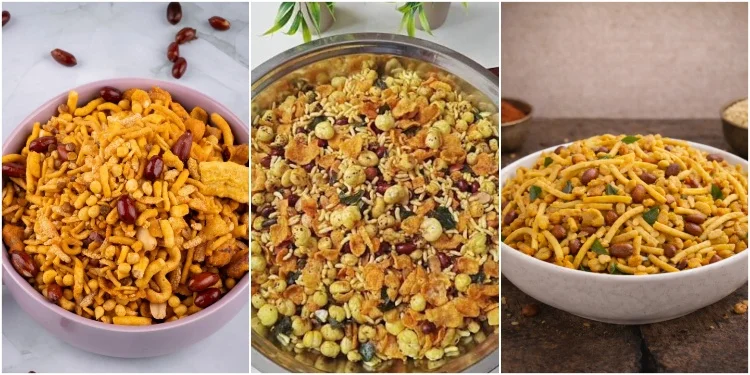
The traps are rarely obvious. Here are the usual culprits hiding in "vrat" and regular namkeen alike, and why each one matters during a fast.
Regular salt vs sendha namak
This is the single most common failure. Traditional fasting permits only sendha namak (rock salt), not iodised or common table salt. Most mass-market chips and namkeen use ordinary salt. If the panel just says "salt" or "iodised salt" and not "rock salt / sendha namak", treat it as non-fasting even if everything else looks clean.
Grain-derived additives
Vrat forbids common grains (wheat, rice, maize, oats). Watch for maltodextrin, glucose syrup, corn starch, rice flour, wheat flour and modified starch — these are grain-derived and can break a fast. Maltodextrin in particular is easy to miss because it hides inside seasoning blends. It is not an onion-garlic issue; it is a grain issue, which is exactly why NONG-safe does not equal fasting-safe.
Yeast extract, hidden hing and besan
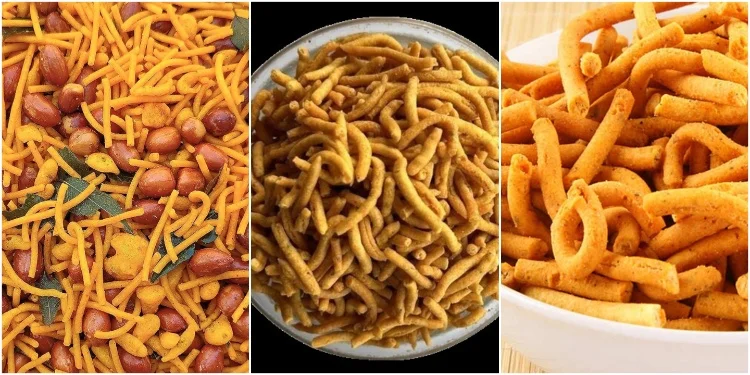
Seasoned flavours often carry yeast extract for savouriness — many fasters avoid it, and it frequently rides alongside onion and garlic powder. Hing (asafoetida) is a subtler trap: it is a flavouring in many namkeens, most commercial hing is cut with wheat flour, and its fasting status is itself debated. Besan (gram flour) is a legume and off-limits in strict vrat. See our notes on whether hing is allowed during Ekadashi and Navratri and how to spot hidden onion and garlic on Indian labels.
Plain Salted vs Seasoned Flavours
As a rule of thumb, the fewer the ingredients, the fewer the traps. Seasoned and "masala" variants are where onion powder, garlic powder, yeast extract and grain-based flow agents concentrate. But "plain" is not a free pass either — it can still use common salt and grain starch.
Concern | Plain salted chips | Seasoned / masala namkeen |
|---|---|---|
Onion / garlic powder | Rarely listed | Very commonly listed |
Salt type | Usually common salt — check for sendha namak | Usually common salt |
Grain-derived additive | Possible (starch, maltodextrin) | Likely (maltodextrin in seasoning) |
Yeast extract | Uncommon | Often present |
Besan / legume base | No (potato base) | Frequently (many namkeens) |
None of this tells you a specific pack's current recipe — brands reformulate without notice. Use the table to know what to hunt for, then confirm the actual pack in hand with the scanner.
How to Read a "Vrat Special" Pack Critically
A "vrat" or "falahari" claim on the front is a manufacturer's marketing line, not a certification you can bank on. Read the back, in order, every time:
Salt line first. Does it say sendha namak / rock salt? If it only says salt or iodised salt, it is not fasting-safe by traditional rules.
Scan for grains. Wheat, rice, maize, oats, maltodextrin, glucose syrup, corn/modified starch — any one breaks a fast.
Scan for onion & garlic and their aliases. Onion powder, garlic powder, "dehydrated vegetables", "spice extracts", "natural flavour" can all mask them.
Check legumes and hing. Besan, moong, chana and asafoetida each have fasting caveats.
Verify, don't assume. Paste the full list into the NoNgS scanner for a NONG verdict, and cross-check any single ingredient in the ingredient status database.
For packaged snack case studies and how the same brand can pass one filter and fail another, read our verified snack verdicts, and if you are wondering whether "falahari" packs generally hold up, see the falahari packaged snacks breakdown.
When in doubt, make your own
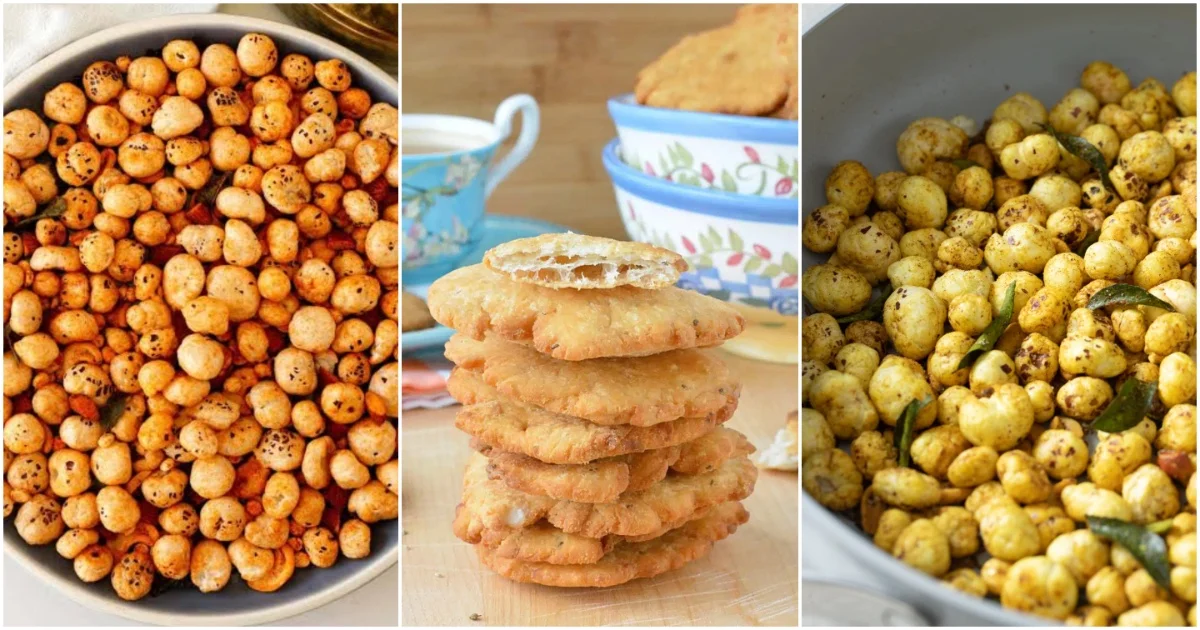
Home-fried potato chips, sabudana, makhana and kuttu-based snacks with sendha namak sidestep every additive trap. If you are buying kuttu atta for vrat, learn how to spot adulterated buckwheat flour before you fry.
Where This Sits in the Bigger Picture
NONG, sattvic, Jain, Navratri-vrat and low-FODMAP are five overlapping-but-different filters, and a snack can pass some and fail others. If the distinctions blur for you, our full comparison of all five lays out exactly what each one permits — so "onion garlic free" never gets mistaken for "fasting-safe" again.
Frequently Asked Questions
Can we eat Lays or other branded chips in a Navratri fast?
Not by default. Even a plain salted variant that is onion-garlic-free usually uses common salt rather than sendha namak, and may contain grain-derived starch or maltodextrin — both break a traditional fast. Recipes also change without notice, so read the current back-of-pack panel and confirm it with the scanner before eating.
Is vrat namkeen automatically onion and garlic free?
No. A "vrat" or "falahari" label is a marketing claim, not a guarantee. Some still list onion or garlic powder, or hide them under "spice extracts" and "natural flavour". Always verify the actual ingredient list rather than trusting the front of the pack.
Why does salt type matter during fasting?
Traditional Navratri and Ekadashi rules permit only sendha namak (rock salt), not iodised or common table salt. Most packaged snacks use common salt, so a snack can be fully onion-garlic-free and still be non-fasting purely because of the salt.
What is maltodextrin and why is it a problem in vrat snacks?
Maltodextrin is a starch-derived additive, usually from corn, rice or wheat — all common grains barred during a fast. It commonly hides inside seasoning blends, so a snack can look grain-free on the surface yet break a fast through this one ingredient.
How do I quickly check if a snack is fasting-safe?
Paste the full ingredient list into the NoNgs scanner for an instant NONG verdict, then check the salt type and any grains yourself. For a whole festival, build and store your safe list in the festival planner so you are not re-checking the same packs every day.