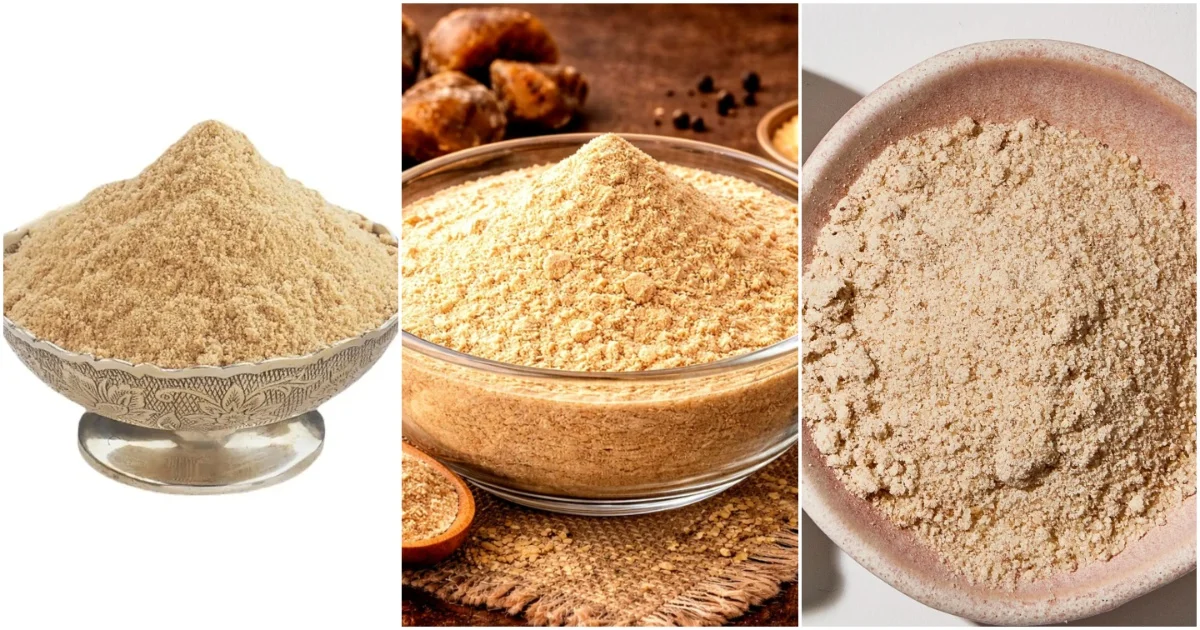
Which Hing (Asafoetida) Brand Is Pure, Wheat-Free & NONG?
Which hing is pure, gluten free, and onion garlic free by brand in India? Read the label for wheat fillers and compare compounded vs pure hing.
If you have ever flipped a hing tin over and found "wheat flour" listed before the asafoetida itself, you already know the problem. Working out which hing is pure, gluten free, and onion garlic free by brand in India is harder than it should be, because most retail hing is compounded — the pure resin is bulked out with edible flours and gum. This guide teaches you to read the label yourself, understand why the fillers exist, and use the NoNgs compare tool to line two tins up side by side before you buy.
Which hing is pure, gluten free, and onion garlic free in India?
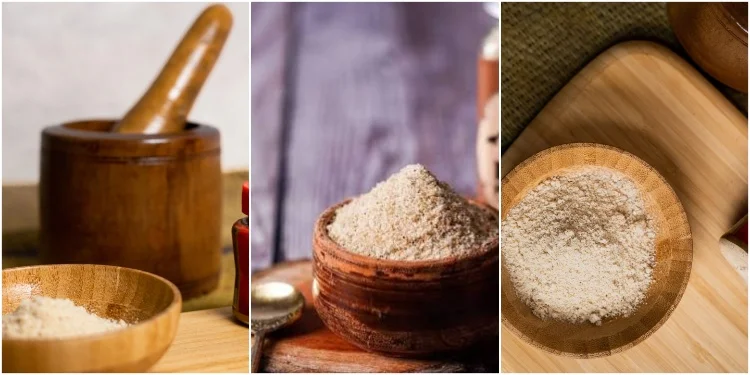
Raw asafoetida resin (called hing or heeng) is intensely strong, sticky, and expensive. To make it pourable and shelf-stable, manufacturers cut it with a neutral carrier. That carrier is the whole reason gluten-sensitive, strict Jain, and IBS buyers have to read carefully — the resin is naturally onion- and garlic-free, but the fillers can carry wheat.
Two things matter, and they are separate questions:
Is it NONG? Pure asafoetida contains no onion or garlic. On this axis, hing is one of the safest kitchen staples for a no-onion-no-garlic cook — which is exactly why it is the classic sattvic and Jain stand-in for that savoury depth.
Is it gluten free? This depends entirely on the filler. Many compounded hings historically use wheat flour or maida as the bulking agent. Gluten-free versions swap that for rice flour, and premium tins may be near-pure resin with only gum.
So a hing can be perfectly onion-garlic-free and still be off-limits for a coeliac or gluten-sensitive buyer. Never assume the two overlap.
Compounded hing vs pure hing: what the filler actually is
Retail hing sold in India falls into a few broad grades. The names on packs vary — "compounded", "strong", "premium", "bandhani", "hira" — but what you are really choosing between is the carrier.
Hing type | Typical fillers | Best suited to |
|---|---|---|
Standard compounded (yellow powder) | Often wheat flour or maida, plus edible gum (gum arabic / gum acacia) | General cooks with no gluten concern; NONG but usually not gluten free |
Gluten-free / wheat-free compounded | Rice flour instead of wheat, plus edible gum | Coeliac, gluten-sensitive, and vrat cooks avoiding grains |
Premium / high-resin ("bandhani", "hira") | Minimal filler; sometimes only gum and a little rice flour | Strict Jain and IBS buyers wanting the least additive load |
Pure lump / crystal resin | No flour filler; resin traded by weight | Purists; needs grinding and careful dosing — very potent |
Edible gum is a binder, not a grain, so it is generally gluten free — but it is the wheat/maida filler that trips people up. Because formulations change from batch to batch and brand to brand, treat the table as a map of categories, not a promise about any one tin. Always confirm against the pack in your hand.
Why gluten-free, Jain and IBS buyers care about the filler
For a coeliac or gluten-sensitive person, wheat-based hing is a hidden gluten source hiding in a spice that "feels" safe. For strict Jain cooks, the concern is fewer additives and clarity that nothing animal-derived or restricted crept in. For low-FODMAP and IBS eaters, hing is prized precisely because it delivers the aromatic hit of onion and garlic — the two biggest FODMAP offenders — without them; but a wheat filler at large doses can still bother a sensitive gut. Different needs, same instruction: read the ingredients.
How to check which hing is gluten free and onion garlic free on the label
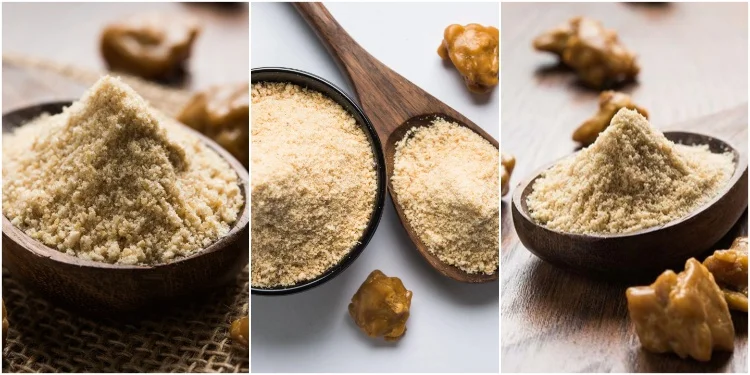
You do not need to trust marketing on the front of the tin. The ingredients panel tells the real story. Here is the routine:
Find the ingredients list, not the name. "Compounded Asafoetida" is a product name, not an ingredient statement. Scroll to the actual list.
Scan for the grain word. Look for "wheat flour", "maida", "atta", or "refined wheat flour". If present, it is not gluten free. If you see "rice flour" instead, that is the wheat-free signal.
Check the allergen line. Indian packs increasingly print "Contains: Wheat" or "May contain gluten". A stated "gluten free" claim is stronger than inference, but still verify the list.
Confirm NONG. Pure and compounded hing should list only asafoetida, a flour, and gum. If you see onion powder, garlic powder, or an unexplained "spices/flavour" blend, pause and verify — read more in our guide to hidden onion and garlic in Indian packaged food labels.
Compare, don't guess. Paste both tins into the compare tool to see fillers, gluten status, and NONG verdict lined up, or drop a single ingredient list into the ingredient status database to check any term you do not recognise.
Popular Indian hing brands: what to expect (and verify)
India's shelves carry familiar names — LG, Vandevi, Bansidhar, Ramdev, Everest, Tata Sampann, and regional bandhani hings — often in both a standard line and a wheat-free or "gluten free" line. Historically, many compounded hings in the mainstream range list wheat flour as the bulking agent, while several brands now sell an explicitly gluten-free variant that uses rice flour. Because any brand can reformulate without notice, we will not assert a specific SKU's current recipe here. Check the current label, and if in doubt run the two variants through /compare. For the deeper question of whether hing is even permitted during your fast, see is hing allowed in Jain, sattvic, Ekadashi and Navratri food.
Hing in the wider NONG picture
Hing is a small purchase with an outsized role: it is the flavour bridge that lets NONG cooking taste complete. If you are still untangling how NONG, sattvic, Jain, and low-FODMAP rules differ — and where a spice like hing sits across all of them — the full NONG vs sattvic vs Jain vs Navratri vs low-FODMAP comparison lays out the overlaps. And if you have wondered whether "no onion, no garlic" automatically means Jain, vegan, or gut-safe, our piece on NONG myths clears it up.
Frequently Asked Questions
Is pure asafoetida naturally onion and garlic free?
Yes, Asafoetida is a dried plant resin and contains no onion or garlic. The NONG concern with hing is never the resin itself — it is only whether an unusual blended product has added flavourings. A plain hing ingredient list is reliably onion-garlic-free; verify any tin that lists a vague "spice blend".
How do I know if my hing contains wheat or gluten?
Read the ingredients panel and look for "wheat flour", "maida", or "atta", plus any "Contains: Wheat" allergen line. Gluten-free hings use rice flour as the filler instead. If the term is unclear, check it in the ingredient database or compare two tins in /compare.
Which hing is best for a coeliac or gluten-sensitive person in India?
Choose a tin that explicitly states "gluten free" or lists rice flour rather than wheat, or use a high-resin premium/bandhani hing with minimal filler. Do not rely on the brand name alone — recipes change, so confirm on the current label every time you restock.
Is compounded hing suitable for a Jain kitchen?
Compounded hing is onion-garlic-free and widely used in Jain cooking, but strict households often prefer a high-resin variant with the fewest additives. Whether hing is used at all during specific fasts varies — see our dedicated guide on hing during Jain, sattvic, Ekadashi and Navratri periods.
Does gluten-free hing taste different from regular hing?
The aroma and pungency come from the asafoetida resin, not the filler, so a rice-flour (gluten-free) hing tastes essentially the same as a wheat-based one at the same resin strength. If anything, premium high-resin tins are stronger, so you need a smaller pinch.